Choosing the Right Dumpster Size: Avoid Overpaying for Waste Disposal
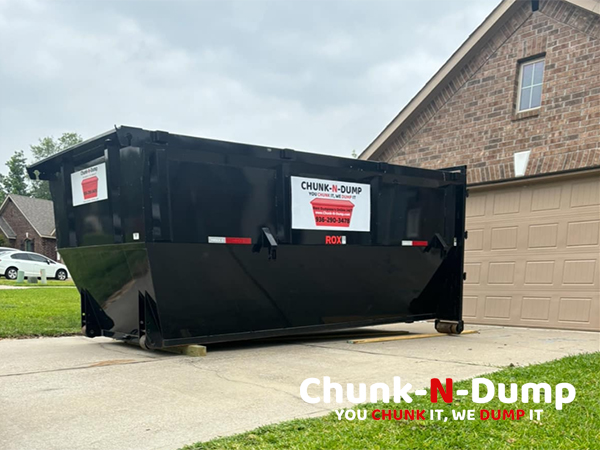
Planning is key for any successful project, and managing waste is no exception. Different projects produce different amounts of debris, whether it’s renovations, cleanouts, or remodeling projects. Planning disposal in advance keeps the work area orderly and reduces delays. Thoughtful planning reduces repeated trips and minimizes wasted effort. Understanding the scope of your project is the first step toward efficient waste management.
At Chunk-N-Dump, our team understands the importance of selecting the ideal dumpster for each project. We collaborate with clients to assess needs and select containers that fit all debris efficiently. Our personalized approach ensures efficient and hassle-free disposal. Choosing wisely from the start ensures a smoother workflow and a safer, cleaner environment for your project. Clients can rely on our click here guidance to make informed dumpster decisions.
Determine Your Waste Types
Projects produce varying waste, so knowing the materials is vital for dumpster selection. Every job, from remodeling to landscaping, generates waste that demands careful disposal. Properly categorizing debris supports correct disposal and sustainable practices. Knowing whether you will have large, bulky items, recyclables, or general debris informs the type of container needed. Identifying waste accurately prevents overloading and enhances disposal efficiency.
By evaluating expected waste, we provide actionable advice on the right dumpster. This not only ensures that space is used efficiently but also helps maintain safety on the project site. Properly separating waste keeps recyclable materials out of landfills and reduces environmental impact. Planning ahead for the type of waste also allows for smoother scheduling and fewer interruptions. Careful evaluation of debris types leads to smoother and more sustainable project management.
Gauge Your Waste Output
Calculating how much waste your project creates helps select the appropriate dumpster. Incorrect volume estimation may cause wasted space or overflow issues. Reviewing debris dimensions and amounts beforehand ensures the container fits all waste. Considering factors such as broken-down items, compactable materials, and overall weight helps make a more precise estimate. Planning volume ahead avoids complications and maintains progress.
We provide guidance on estimating waste to select the best-fitting container. Our experience allows us to provide realistic expectations for how much can fit into each dumpster size. Estimating properly reduces the risk of overpaying for extra space or needing multiple rentals. Forecasting debris volumes supports organized and efficient project execution. This approach saves time, effort, and minimizes disruptions on the project site.
Factor in Project Length
The length of your project is another key factor when selecting a dumpster. Short projects may use compact dumpsters, whereas extended projects need containers that handle ongoing debris. Matching the dumpster rental period to your project schedule keeps your workflow uninterrupted and ensures that debris does not accumulate excessively. Proper timing also prevents delays in removal and replacement, helping maintain a clean and safe work environment. Thinking about project duration in advance is an important step toward efficient waste management.
Our team works closely with clients to align rental periods with project timelines. We consider potential delays, seasonal impacts, and key milestones to prevent timing issues. Proper scheduling reduces disruptions and ensures smooth workflow. Planning ahead also helps avoid the logistical challenges that arise from improperly timed pickups or deliveries. Thoughtful timeline planning helps keep projects organized and efficient.
Maximize Efficiency with Proper Loading
The way debris is loaded determines both capacity usage and transport safety. Placing heavier and larger items on the bottom creates a stable base, while filling gaps with smaller materials maximizes capacity. Reducing bulky items, breaking down furniture, and compressing boxes improves space use and load stability. Efficient loading also reduces the risk of debris spilling or shifting during pickup. Thoughtful loading ensures safety and maintains a tidy worksite.
We offer tips to help clients load dumpsters efficiently and safely. Following our advice optimizes capacity, avoids excess weight, and promotes site safety. Correctly loaded dumpsters ensure smooth removal and reduce disruptions. Client education on loading practices supports organized and responsible disposal. Attention to loading details supports both safety and project productivity.
Ensure Proper Dumpster Placement
The position of your dumpster affects usability as much as its size. Choose a spot that allows straightforward access for depositing debris and pickup. Evaluate the surrounding area for obstacles, vehicle paths, and workspace access. Positioning the dumpster correctly promotes safety and maintains an organized area. Planning placement in advance also helps avoid last-minute adjustments and delays, keeping the worksite running smoothly.
We help clients choose optimal placement for their dumpsters to make access straightforward and safe. Site evaluation allows us to place dumpsters for maximum accessibility and practicality. Strategically placed dumpsters simplify loading and minimize physical strain. Positioning advice protects property and maintains regulatory compliance. Thoughtful placement contributes to project efficiency and success.
Know Local Dumpster Rules
Different types of waste and container placement may be subject to local rules and regulations. Certain materials may require special disposal procedures, and some areas may have restrictions on where a dumpster can be placed. Awareness of these guidelines ensures compliance and prevents fines or delays. Planning with rules in mind prevents delays and keeps workflow steady. Staying informed about requirements protects both the client and the surrounding community.
Chunk-N-Dump stays informed on local rules and supports clients in compliance. We ensure safe handling and proper positioning according to guidelines. Adhering to regulations supports efficiency and safety on site. This attention to detail prevents complications and helps maintain a positive work environment. Proper planning for regulations supports efficient, hassle-free waste management.
Use Your Dumpster Efficiently
Choosing a dumpster involves evaluating your project’s size, debris type, amount, timeline, and location. Strategic planning and effective packing keep costs down and projects on track. Efficient disposal practices promote a secure, organized, and eco-friendly site. Using containers effectively keeps work on schedule and well-organized. Proper handling at every stage ensures effective waste disposal.
Chunk-N-Dump offers customized rental solutions to match every client’s project. We provide professional advice, planning, and support throughout the rental process. With our assistance, you can feel confident in your choices and focus on completing your project efficiently. Choosing the right dumpster is about more than just space—it’s about creating an organized, safe, and productive environment for your work.